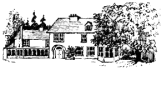
A Rich History of Glynhir Mansion
The story of Glynhir Mansion spans centuries, woven into the landscape of Carmarthenshire and the fabric of Welsh history. This grand manor, nestled within 200 acres of countryside, began as a modest Welsh farmhouse in the 17th century and has evolved into a treasured estate admired for its historic charm, architecture, and natural beauty.
Early Origins
The earliest parts of Glynhir date back to the late 1600s, when the property functioned as a traditional Welsh farmhouse. Over the following decades, it was extended and gradually transformed into the manor estate you see today. Evidence suggests an even earlier origin, with local legend and architectural traces hinting at a long-standing presence in the valley.
The Du Buisson Family
In 1770, the estate was purchased by Peter Du Buisson, a French Huguenot who settled in Wales after fleeing religious persecution in France. The Du Buisson family were instrumental in the estate’s transformation, and for over 150 years, they shaped Glynhir into a self-sufficient working estate, complete with:
- A knife factory, producing blades using the water power from the estate’s stream.
- A brewhouse where local ale was made.
- A dairy, orchards, vegetable gardens, and greenhouses supporting the estate year-round.
The Du Buissons also developed formal landscaping and established gardens and terraces that can still be seen today. They introduced exotic plants and cultivated a reputation for horticultural excellence.
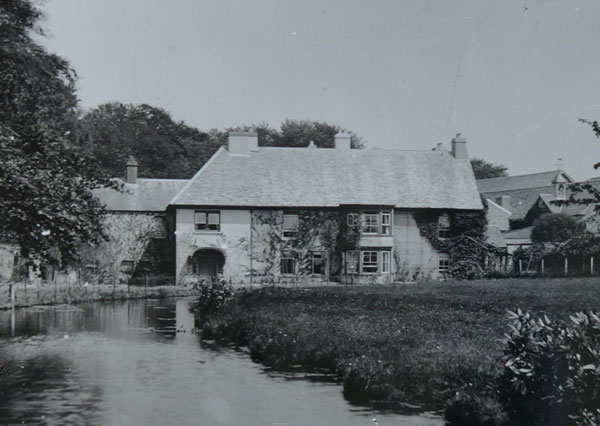
Glynhir Mansion late 1800s
Glynhir Mansion late 1800s
A Hidden History Pigeons, Swords and Secret Messages
During times of war, the peaceful Glynhir Estate played a far more mysterious role than most would expect. Rumours have long surrounded the estate’s former knife factory, with whispers that it once produced swords for the French during the Napoleonic era — a quiet act of support for the Emperor himself.
Adding to the intrigue, the estate’s octagonal dovecote, still standing proudly today, is believed to have housed carrier pigeons used for delivering secret correspondence back to the mansion. These pigeons are thought to have carried messages across borders, aiding discreet communications between France and Wales.
While no military records confirm these tales, the discovery of Napoleon’s letter within the walls of the house lends weight to the stories passed down through generations. Visitors today can still see the dovecote and imagine the flutter of wings delivering history in the making.
Architectural Treasures
Glynhir boasts a variety of historic features that reflect its development over time:
- An octagonal dovecote, one of the finest in the region, formerly used to house pigeons for food.
- A large subterranean ice house, allowing ice harvested in winter to be stored year-round.
- Beautifully maintained walled gardens, including a double walled area ideal for growing fruit.
- The south range, the oldest part of the house, with thick stone walls and timber-beamed interiors.
- The north range, added in the 18th century, featuring a classical façade, elegant hallway, and staircase.
You can still see signs of past estate life, from original slate flooring and limewashed walls to outbuildings that once supported the farm.
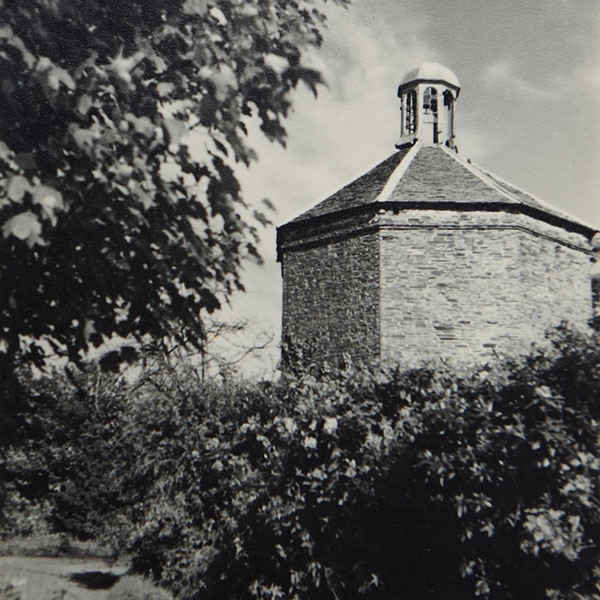
The Dovecote Building 1920's
Glynhir dovecote
20th Century and Beyond
The Du Buisson family retained the estate until 1936, after which Glynhir passed through various private owners. Though many changes occurred in the 20th century, the heart of the estate remained intact. Restoration efforts in recent decades have helped revive the grounds and preserve the original features.
Today, Glynhir operates as a charming bed and breakfast and creative retreat, welcoming guests from around the world to experience its unique blend of heritage, hospitality, and serenity.
Whether you’re staying for a peaceful break, a historical exploration, or artistic inspiration, Glynhir offers a rare opportunity to step into a living piece of Welsh history.